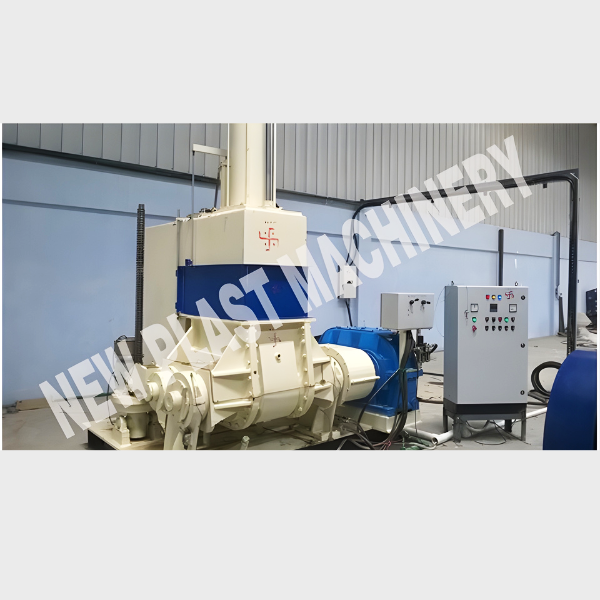
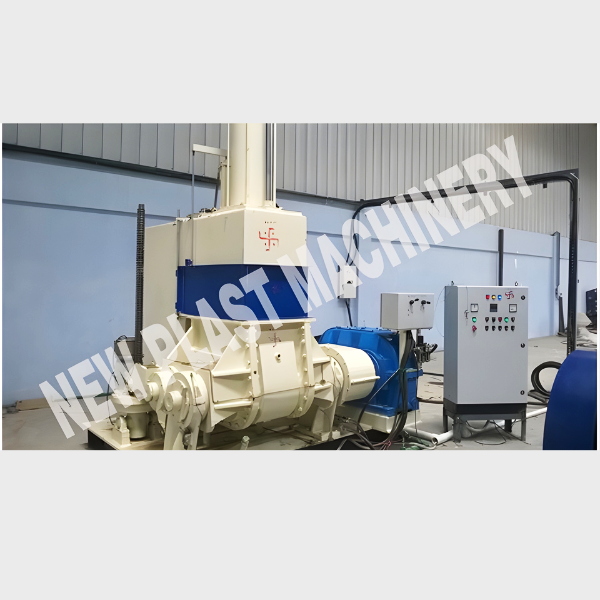
What is a Dispersion Kneader Machine?
A Dispersion Kneader Machine is an industrial mixing and kneading equipment used for processing materials that require high torque mixing, strong shearing force, and controlled temperature. It is especially suitable for mixing high-viscosity compounds where normal mixers or ribbon blenders are unable to provide proper dispersion.
The main purpose of a dispersion kneader is to ensure:
Uniform mixing of polymers and rubber
Proper dispersion of pigments, carbon black, fillers, and additives
Controlled heating and cooling during the mixing cycle
Improved batch consistency and reduced wastage
Because of these advantages, dispersion kneader machines are widely demanded in the plastics and rubber industry. Many companies actively search for reliable Dispersion Kneader Machine Manufacturers who can provide long-lasting machines with heavy-duty construction.
Why Dispersion Kneader Machines Are Essential in 2026
Manufacturing standards are becoming stricter every year. Customers expect high-quality output, consistent color matching, better mechanical strength, and long product life. For this reason, industries cannot compromise on mixing quality.
In 2026, dispersion kneader machines are considered essential because they offer:
1. Uniform Dispersion of Fillers
Fillers like calcium carbonate, talc, silica, carbon black, and pigments must be evenly distributed. Poor dispersion results in weak products and uneven quality.
2. Better Compound Strength
In rubber and polymer compounding, kneading improves bonding between ingredients, resulting in stronger final products.
3. Controlled Temperature Mixing
Temperature plays a major role in mixing. Dispersion kneaders allow controlled heating and cooling, which helps avoid burning, melting, or overheating of material.
4. Faster Production Cycles
Modern dispersion kneader machines are designed for quick batch processing. This increases production speed and reduces downtime.
5. Reduced Material Waste
Proper mixing reduces batch rejection and minimizes raw material wastage, saving cost for the plant.
Because of these advantages, companies prefer buying from experienced Dispersion Kneader Machine Manufacturers who offer advanced designs, high-quality components, and after-sales support.
Working Principle of Dispersion Kneader Machine
Understanding the working principle is very important before purchasing. Dispersion kneader machines operate on the concept of high shear mixing and kneading action.
Step-by-Step Working Process
Step 1: Feeding Raw Material
Raw materials such as polymers, rubber, carbon black, pigments, oils, plasticizers, and fillers are loaded into the mixing chamber. Feeding can be manual or automatic depending on machine design.
Step 2: High Torque Kneading Action
The machine uses heavy-duty kneading blades (often sigma or Z-type) that rotate inside the chamber. These blades create pressure and shear force to break down lumps and distribute materials uniformly.
Step 3: Heating and Cooling Process
Most dispersion kneader machines include a jacketed chamber system that supports heating and cooling. Heating can be done through oil heating or electrical heaters, while cooling is usually done using water circulation.
This temperature control is extremely important for:
Rubber compounding
Masterbatch mixing
Polymer blending
Adhesive processing
Step 4: Uniform Dispersion
During the kneading cycle, the ingredients blend properly and fillers disperse evenly. This ensures that the final compound has consistent texture and properties.
Step 5: Discharge System
Once the mixing process is complete, the final compound is discharged. Discharge systems can be:
Hydraulic tilt discharge
Bottom discharge
Screw-assisted discharge
The discharge method depends on production requirements and plant automation level.
This complete working cycle makes dispersion kneader machines highly reliable for industries that require heavy-duty mixing. This is why many buyers specifically search for leading Dispersion Kneader Machine Manufacturers in India.
Main Components of a Dispersion Kneader Machine
A dispersion kneader machine is made with several critical parts. A trusted manufacturer will always use high-quality components to ensure long machine life.
1. Mixing Chamber
The chamber is where the raw material is mixed. It is usually made from heavy-duty steel and can be jacketed for heating/cooling.
2. Kneading Blades
Blades are responsible for kneading and dispersion. They are manufactured from hardened alloy steel for long-term performance.
3. Motor and Drive System
The motor provides the torque required for mixing. High-quality motors ensure stable speed and energy efficiency.
4. Gearbox
Gearbox is the heart of the machine. A strong gearbox ensures smooth power transfer and long operational life.
5. Hydraulic System
The hydraulic system controls tilting and discharge operations. It ensures smooth unloading of the mixed compound.
6. Heating and Cooling Jacket
This jacket helps maintain proper temperature during the mixing process, improving output quality.
7. Control Panel
The machine can have a manual panel, semi-automatic panel, or PLC automation system depending on requirements.
When selecting among multiple Dispersion Kneader Machine Manufacturers, always check the quality and brand of these components.
Types of Dispersion Kneader Machines
Different industries require different designs. Top Dispersion Kneader Machine Manufacturers in India usually provide multiple types of kneader machines.
1. Tangential Dispersion Kneader
Tangential kneaders are designed for strong shear mixing and are commonly used in rubber compounding.
Best for:
Rubber mixing
Carbon black dispersion
Heavy compound processing
2. Intermeshing Dispersion Kneader
Intermeshing kneaders provide more uniform mixing and better dispersion. They are preferred in polymer and masterbatch production.
Best for:
Masterbatch manufacturing
PVC compounding
Polymer blending
3. Hydraulic Tilting Dispersion Kneader
These kneaders discharge material by tilting the chamber. This is suitable for manual and semi-automatic production units.
4. Bottom Discharge Dispersion Kneader
Bottom discharge systems are more efficient for high production plants because material can be discharged quickly without manual effort.
5. PLC Controlled Automatic Dispersion Kneader
PLC models are advanced machines with automation features like:
Timer control
Temperature control
Speed control
Automatic discharge
These machines are widely used in large-scale manufacturing plants.
Dispersion Kneader Machine Applications
Dispersion kneader machines are widely used in many industries. This is one reason why the market for Dispersion Kneader Machine Manufacturers is growing rapidly in India.
1. Masterbatch Manufacturing
Masterbatch production requires uniform mixing of pigments and polymers. Dispersion kneaders are widely used for:
Color masterbatch
Filler masterbatch
Additive masterbatch
2. Rubber Compounding Industry
Rubber compounds require strong kneading for proper elasticity and strength. Dispersion kneaders are used in:
Tyre manufacturing
Rubber sheets
Industrial rubber products
3. PVC Compound Processing
PVC compounding requires accurate mixing of stabilizers, plasticizers, and fillers. Dispersion kneaders provide consistent mixing.
4. EVA, TPR, and Polymer Blending
EVA and TPR materials need controlled temperature mixing, which is possible with dispersion kneaders.
5. Adhesives and Sealants
Industries producing adhesives and sealants require smooth blending of chemicals. Dispersion kneaders provide consistent texture.
6. Chemical Powder Mixing
Some chemical compounds require high torque mixing, especially where viscosity is high.
7. Recycling Industry
Plastic recycling plants use kneaders for blending recycled polymers with additives to improve quality.
Technical Specifications of Dispersion Kneader Machines
| Specification |
Standard Range |
| Batch Capacity |
5 Kg to 200 Kg+ |
| Motor Power |
10 HP to 150 HP |
| Mixing Blade Type |
Sigma / Z Blade |
| Chamber Material |
MS / SS / Hardened Alloy Steel |
| Heating System |
Oil Heating / Electrical Heating |
| Cooling System |
Water Cooling Jacket |
| Control Panel |
Manual / Semi Automatic / PLC |
| Discharge System |
Hydraulic Tilt / Bottom Discharge |
| Mixing Time |
15 to 45 minutes per batch |
| Voltage |
380V / 415V Industrial |
| Gearbox |
Heavy Duty Industrial Grade |
For export and large-scale industries, customized specifications are also available.
Dispersion Kneader Machine Price in India (2026 Cost Guide)
One of the most common questions buyers ask is about pricing. The cost depends on machine capacity, automation, build quality, and brand reputation.
Estimated Price Range (2026)
Small Capacity Models
- 5 Kg to 15 Kg: ₹4.5 Lakhs – ₹8 Lakhs
- 20 Kg to 30 Kg: ₹8 Lakhs – ₹12 Lakhs
Medium Capacity Models
- 40 Kg to 60 Kg: ₹12 Lakhs – ₹20 Lakhs
- 75 Kg to 100 Kg: ₹20 Lakhs – ₹35 Lakhs
Large Capacity Models
- 120 Kg to 150 Kg: ₹35 Lakhs – ₹50 Lakhs
- 200 Kg and above: ₹50 Lakhs – ₹70 Lakhs+
Factors That Affect Price
The price varies based on:
Motor power and energy efficiency
Gearbox quality
Hydraulic system strength
Chamber material grade
Heating and cooling system type
PLC automation and digital control panel
Discharge type (tilt or bottom discharge)
Customization requirements
To get the best deal, it is recommended to compare multiple Dispersion Kneader Machine Manufacturers and check machine quality rather than choosing the lowest price option.
How to Choose the Best Dispersion Kneader Machine Manufacturer
Selecting the right manufacturer is the most important step. The wrong machine can lead to frequent breakdowns, low output quality, and high maintenance cost.
Here are the key points to check:
1. Manufacturing Experience
Always prefer manufacturers with proven experience in kneader and plastic machinery manufacturing.
2. Build Quality and Material
The chamber and blades should be made from strong steel with proper hardening treatment.
3. Motor and Gearbox Quality
Low-grade gearboxes fail quickly. A high-quality gearbox ensures long machine life.
4. Heating & Cooling Performance
If your production depends on controlled temperature, choose a manufacturer who provides advanced heating and cooling jacket systems.
5. After-Sales Support
Many buyers ignore service support, but it is critical. Reliable Dispersion Kneader Machine Manufacturers provide spare parts and technical support.
6. Warranty and Installation
A professional manufacturer offers:
Installation guidance
Trial testing support
Warranty coverage
7. Customization Options
Good manufacturers offer customized batch capacity, automation, discharge system, and blade design.
Top Features to Look for in a Dispersion Kneader Machine
Before finalizing your purchase, check these important features:
1. Heavy Duty Frame
The frame should be vibration-free and stable for continuous operation.
2. High Torque Motor
A strong motor ensures smooth kneading of tough materials like rubber and polymer compounds.
3. Accurate Temperature Control
Temperature control prevents burning of compounds and improves dispersion quality.
4. Leakage-Proof Chamber Design
A properly designed chamber avoids material leakage during high-speed mixing.
5. Easy Maintenance
The machine should allow easy cleaning and quick blade maintenance.
6. Safety Features
Modern kneader machines include:
Emergency stop button
Safety guards
Overload protection system
Why New Plast Machinery is a Trusted Manufacturer in India
When searching for trusted Dispersion Kneader Machine Manufacturers, New Plast Machinery is considered a strong name in the plastic and polymer machinery industry.
Key Benefits of Choosing New Plast Machinery
Heavy-duty machine manufacturing
Customized kneader solutions for industries
Reliable performance and high mixing efficiency
Quality-tested components
Competitive pricing
Strong after-sales service support
Suitable for masterbatch, rubber, and polymer industries
If you are planning to invest in a long-lasting kneader machine, working with an experienced manufacturer like New Plast Machinery can reduce your operational risk and improve production efficiency.
Dispersion Kneader Machine vs Sigma Mixer (Quick Comparison)
Many buyers confuse dispersion kneader machines with sigma mixers. Both are used for mixing, but they are not the same.
| Feature |
Dispersion Kneader Machine |
Sigma Mixer |
| Mixing Type |
High shear kneading |
Slow mixing |
| Best for |
Rubber, polymer, masterbatch |
Adhesives, dough-like materials |
| Temperature Control |
Strong heating/cooling |
Limited |
| Output Quality |
High dispersion |
Medium dispersion |
| Industrial Use |
Heavy duty compounding |
Medium viscosity mixing |
For masterbatch and rubber industries, dispersion kneaders are generally preferred.
Maintenance Tips for Dispersion Kneader Machines
Regular maintenance increases machine life and reduces breakdowns.
Daily Maintenance
Clean chamber after each batch
Check oil level in gearbox
Inspect hydraulic system
Weekly Maintenance
Check blade wear
Lubricate bearings
Inspect control panel wiring
Monthly Maintenance
Check motor performance
Replace worn seals
Inspect heating/cooling jacket
Following these maintenance steps ensures that your machine performs smoothly for many years.
FAQs – Dispersion Kneader Machine Manufacturers
Q1. What is the main use of a dispersion kneader machine?
It is used for mixing high-viscosity materials such as rubber compounds, masterbatch, polymer blends, and chemical compounds.
Q2. Which is the best batch capacity for a small manufacturing unit?
For small-scale units, 10 kg to 30 kg capacity is generally recommended.
Q3. What is the average mixing time in a dispersion kneader machine?
The average mixing cycle is between 15 minutes to 45 minutes depending on material type.
Q4. Can dispersion kneader machines be used for PVC compound production?
Yes, dispersion kneader machines are widely used for PVC compounding and additive blending.
Q5. Do dispersion kneader machines support heating and cooling systems?
Yes, most models include heating and cooling jackets for temperature control.
Q6. How long does a dispersion kneader machine last?
A high-quality machine can easily last 10 to 15 years with proper maintenance.
Q7. What should I check before buying from dispersion kneader machine manufacturers?
Check build quality, gearbox, motor power, temperature control, warranty, and service support.
Q8. Is PLC automation necessary for dispersion kneader machines?
PLC automation is recommended for large plants to maintain batch consistency and reduce manual work.
Q9. Which industries demand dispersion kneader machines the most?
Masterbatch manufacturing, rubber processing, polymer compounding, chemical, and sealant industries.
Q10. What is the price range of dispersion kneader machines in India?
Prices generally range from ₹4.5 lakhs to ₹70 lakhs depending on capacity and automation.
Conclusion
A dispersion kneader machine is a critical investment for any manufacturing plant that requires consistent mixing quality and high-performance output. With rising industrial demand in 2026, choosing the right manufacturer is more important than ever.
If you are searching for reliable Dispersion Kneader Machine Manufacturers, always select a company that offers durable machine construction, high torque performance, proper temperature control, and long-term after-sales support.
New Plast Machinery is one of the trusted manufacturers in India, offering advanced dispersion kneader machines suitable for masterbatch, rubber, polymer, and chemical processing industries.
Contact today for best quotation, specifications, and customization options.
.png "Dispersion Kneader Machine Manufacturers in India – 2026 Price, Applications & Specs - Dispersion Kneader Machine Manufacturers in India – 2026 Price, Applications & Specs")